

What does "washed" actually mean? A quick guide to coffee processing
You pick up a bag of coffee and somewhere on the label it says "natural process". Or "washed". Or "honey". No one told you this was going to be a thing you needed to know about.
Here's the short version: the process refers to how the coffee fruit is handled after it's picked and before it becomes the bean you grind. And it makes a bigger difference to what ends up in your cup than most people realise.
WHAT IS COFFEE, EXACTLY, BEFORE IT'S ROASTED?
Coffee starts as a fruit — a small red or yellow cherry, grown on trees. Inside that cherry is the seed. That seed, once dried and roasted, is what we call a coffee bean.
The processing step is about how you remove the fruit from the seed. Do it one way, and you get a clean, bright cup. Do it another, and you get something heavier and fruitier. The same farm, the same tree, processed differently — two completely different coffees.
THE THREE MAIN METHODS
WASHED (ALSO CALLED WET PROCESS)
The fruit is removed from the bean before drying. The beans are pulped, fermented in water for anywhere between 12 and 36 hours to break down remaining fruit residue, then washed with clean water and dried on raised beds or patios.
The result: clean, bright, transparent flavour. You taste the bean, not the fruit. Citrus, florals, clarity. If a coffee has a sharp acidity and a long clean finish, it's usually washed.

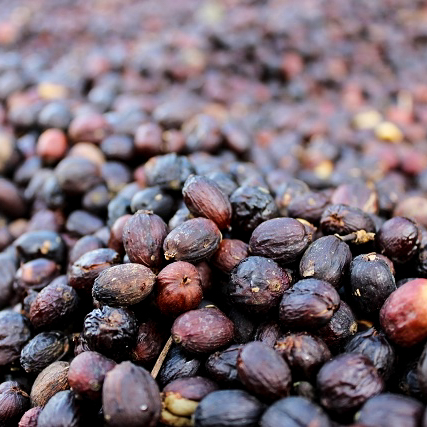
NATURAL (ALSO CALLED DRY PROCESS)
Here, the whole cherry — fruit and all — dries around the bean, sometimes for weeks. The bean absorbs sugars and flavours from the fruit as it dries.
The result: heavier, fruitier, sometimes funky. Think blueberry, strawberry, tropical fruit, molasses. More body. More intensity. Less clarity. Some people love it immediately; others need a moment to get used to it.
HONEY PROCESS
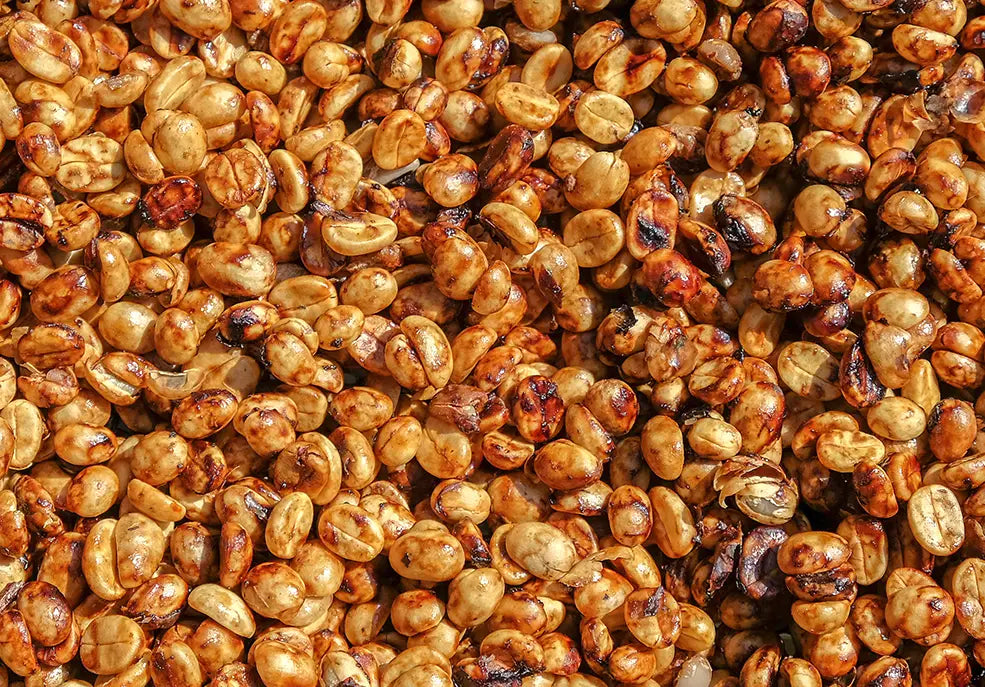
Somewhere in between. The skin is removed, but some of the sticky fruit pulp is left on the bean during drying. The more pulp left on, the more fruit character ends up in the cup — and the name changes accordingly: yellow honey (a little), red honey (more), black honey (a lot).
The result: sweetness and complexity without the full heaviness of a natural. A middle ground that tends to work well for people who want something interesting but approachable.
SO WHICH ONE SHOULD YOU DRINK?
There's no right answer — it depends on what you're after.
If you like coffee that's clean and bright, with citrus or floral notes and a clear, refreshing finish: go for washed.
If you want something bold, fruity, and full: go natural.
If you're somewhere in the middle, or just curious: try a honey.
The good news is that most specialty coffee bags will tell you which process was used. Once you know what to look for, the label starts to actually mean something.
WHAT WE USE AT LUUK'S
Our House Blend is fully washed — twice over, actually. It's a blend of coffees from Huila, Colombia, and Huehuetenango, Guatemala, both processed the same way: ripe cherries picked by hand, fermented, washed in clean water, and dried on raised beds.
That's why it tastes the way it does: lime, orange, grapefruit, cacao nibs, and a finish that stays clean. No heaviness, no funk. Just clarity.
If you want to try it, it's here →